
When it comes to home improvements, not all upgrades deliver the same return. Some renovations look great but don’t necessarily pay off when it’s time to sell. Hardwood flooring, however, has long been considered a premium feature that appeals to both homeowners and buyers alike. But does it truly increase home value? Let’s break it down in a practical, user-friendly way.
Why Hardwood Flooring Is So Popular
Hardwood flooring has a timeless appeal that transcends design trends. Whether your home leans modern, traditional, or somewhere in between, hardwood fits right in. Its natural texture, warmth, and durability make it a top choice in American homes.
Unlike carpet or laminate, hardwood floors age gracefully. With proper care, they can last for decades—and even be refinished multiple times. This longevity is a key factor in why buyers see it as a valuable feature rather than just another design element.
Does Hardwood Flooring Actually Increase Home Value?
Short answer: Yes, in most cases, it does.
Hardwood flooring is often viewed as an upgrade that adds both perceived value and actual resale value. Here’s how:
- Higher Buyer Appeal
Homes with hardwood floors tend to attract more buyers. Many people specifically look for homes without carpet, especially in living areas and bedrooms. Hardwood floors give a cleaner, more upscale impression right from the first showing.
- Better Resale Price
While the exact increase varies by location and market conditions, homes with hardwood flooring often sell for a higher price compared to similar homes with carpet or vinyl. In competitive markets, it can even be a deciding factor.
- Faster Sales
Homes featuring hardwood flooring typically spend less time on the market. Buyers see it as one less upgrade they need to worry about, making your property more move-in ready.
Return on Investment (ROI): What to Expect
Hardwood flooring is not the cheapest upgrade, but it tends to offer a strong return.
- Average ROI: Around 70%–80% depending on the type of wood and installation quality
- Refinishing existing hardwood: Often delivers even higher ROI at a lower cost
If your home already has hardwood hidden under carpet, uncovering and refinishing it can be one of the smartest upgrades you can make.
Solid vs. Engineered Hardwood: Does It Matter?
Both solid and engineered hardwood can increase home value, but there are some differences:
- Solid Hardwood:
- Considered more premium
- Can be sanded and refinished multiple times
- Higher upfront cost
- Engineered Hardwood:
- More resistant to moisture and temperature changes
- Slightly more affordable
- Still highly attractive to buyers
From a resale perspective, most buyers won’t strongly differentiate between the two as long as the flooring looks high-quality and well-maintained.
Where Hardwood Flooring Adds the Most Value
Not all areas of the home provide equal returns. Focus on:
- Living rooms – Creates a strong first impression
- Dining areas – Adds elegance and continuity
- Bedrooms – Increasingly preferred over carpet
Kitchens can also benefit from hardwood flooring, though some homeowners still prefer tile for moisture resistance. Bathrooms, however, are usually better suited for tile or waterproof materials.
Hardwood vs. Other Flooring Options
Let’s compare hardwood with some common alternatives:
Carpet
- Lower cost but less durable
- Can trap dust and allergens
- Often seen as outdated by modern buyers
Laminate/Vinyl
- Budget-friendly and practical
- Less prestigious than hardwood
- May not significantly boost resale value
Tile
- Durable and great for wet areas
- Lacks the warmth and continuity of hardwood
In terms of value and buyer perception, hardwood consistently ranks at the top.
What Buyers Really Think
Today’s buyers are more informed and design-conscious than ever. Many actively look for homes that require minimal renovation. Hardwood flooring checks several boxes:
- Easy to clean
- Visually appealing
- Long-lasting
- Allergy-friendly
Even if buyers don’t consciously calculate its value, hardwood flooring often influences their emotional response—which plays a huge role in purchasing decisions.
Tips to Maximize Value
If you’re considering hardwood flooring, here’s how to get the most out of your investment:
Choose Neutral Finishes
Stick to popular shades like natural oak, medium brown, or light gray tones. These appeal to a wider audience.
Maintain Consistency
Use the same flooring throughout the main living areas to create a seamless look. This makes spaces feel larger and more cohesive.
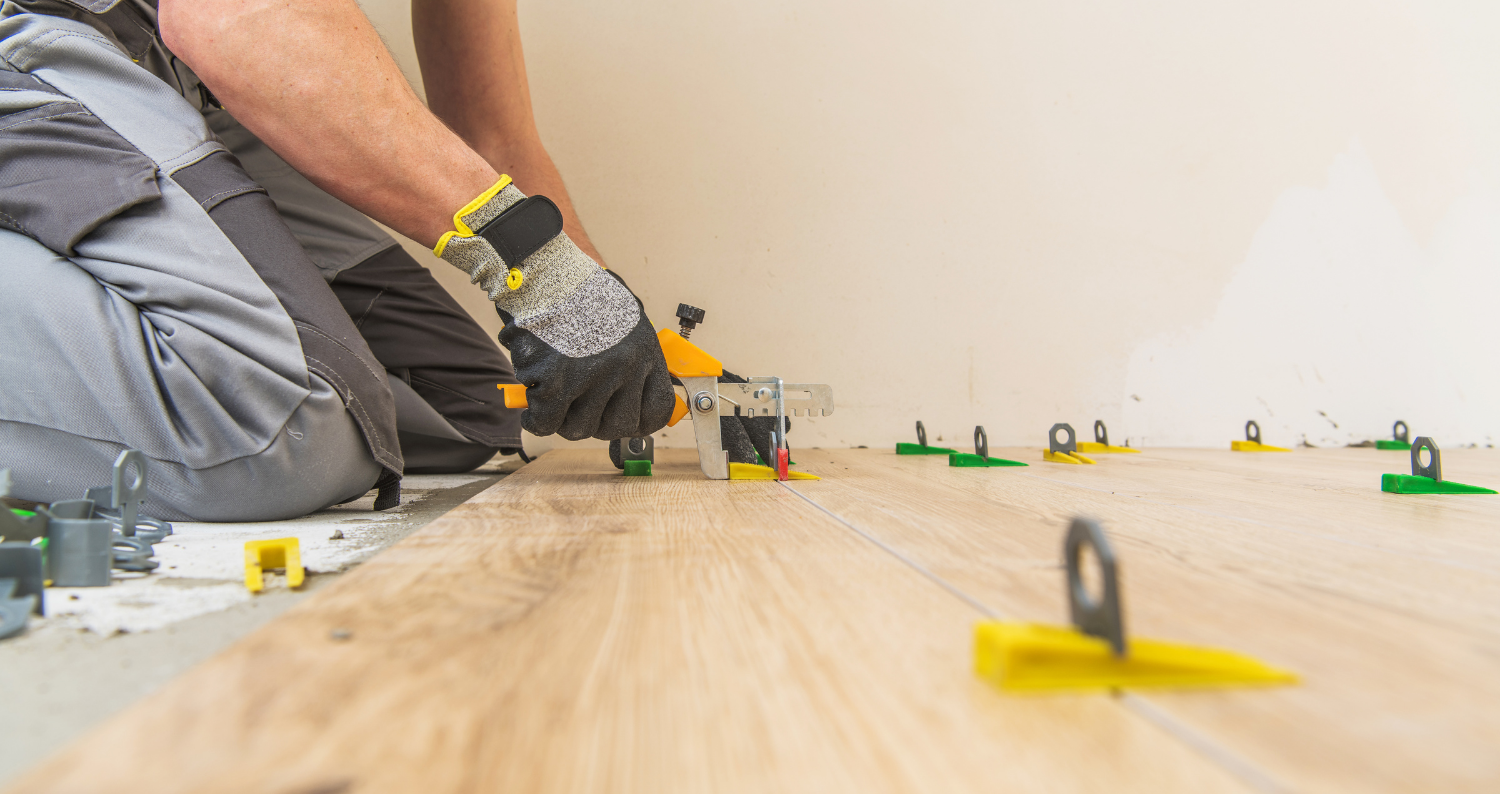
Invest in Quality Hardwood Flooring Installation
Poor installation can reduce the perceived value, no matter how expensive the material is.
Keep It Well-Maintained
Regular cleaning and occasional refinishing can keep your floors looking brand new for years.
When Hardwood Might Not Be Worth It
While hardwood flooring is generally a smart upgrade, there are exceptions:
- If you’re planning to sell very soon and won’t recover installation costs
- In lower-priced markets where buyers prioritize affordability over upgrades
- In areas prone to high moisture (like basements), unless using engineered wood
In such cases, a cost-effective alternative might make more financial sense.
Final Verdict
Hardwood flooring is more than just a design choice—it’s an investment in your home’s value and marketability. It enhances visual appeal, attracts more buyers, and can lead to a higher selling price.
If you’re looking for a home upgrade that balances style, durability, and return on investment, hardwood flooring is one of the safest bets you can make. Whether you’re planning to sell soon or simply want to enjoy a more refined living space, it’s a decision that pays off in more ways than one.
continue reading