
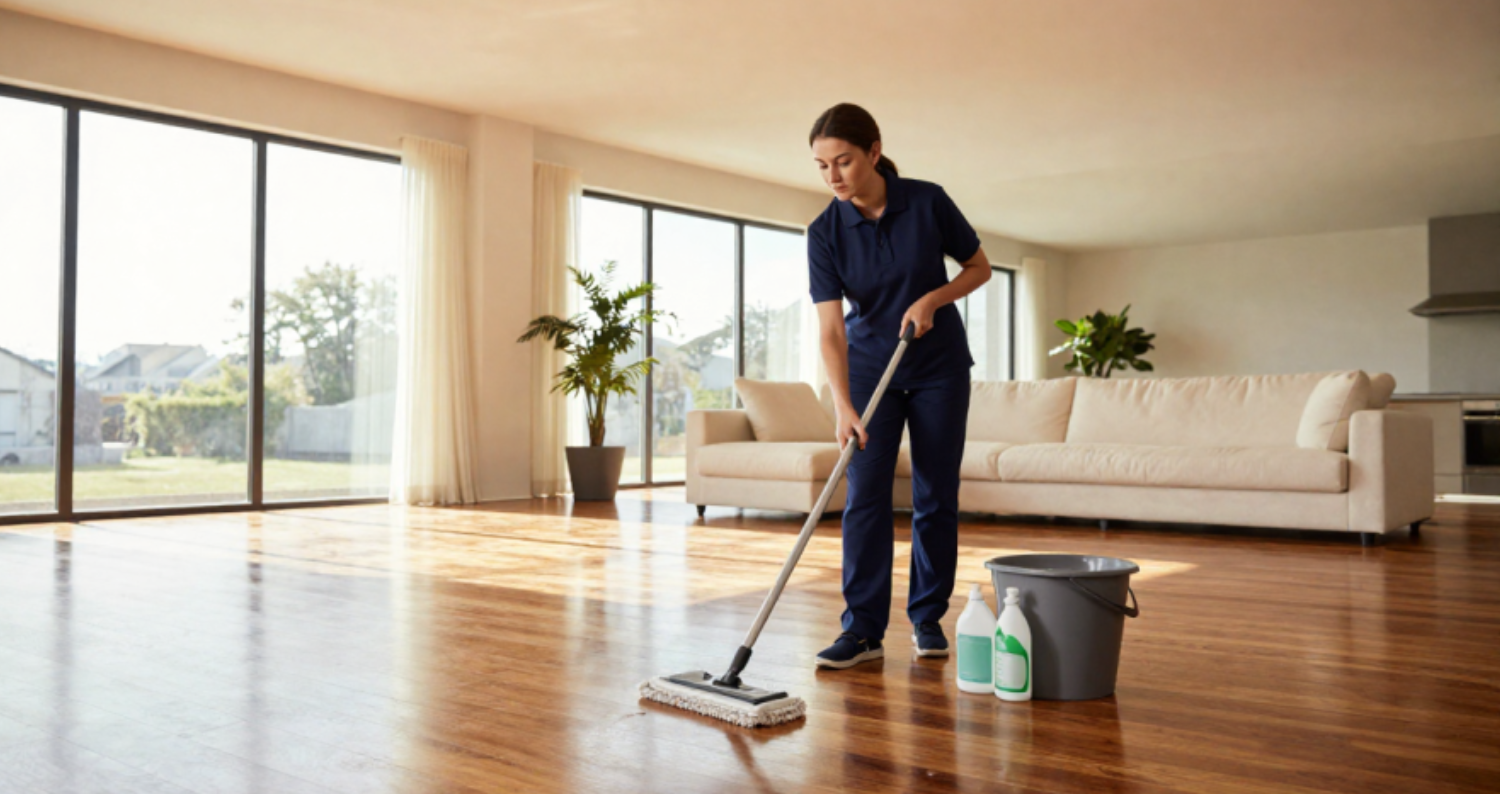
Hardwood floors are one of the most attractive features of any home, but over time, they can lose their rich, natural shine. Daily foot traffic, dust, pet hair, spills, and improper cleaning methods can leave even the highest-quality wood floors looking dull and worn. The good news? You don’t always need expensive refinishing services to restore their beauty.
If you’ve been wondering how to make hardwood floors shine again, the solution often comes down to using the right cleaning techniques, proper maintenance, and avoiding common mistakes that can damage the finish.
In this guide, we’ll share 10 expert-approved tips that will help you bring back the shine while protecting your hardwood floors for years to come.
Why Do Hardwood Floors Lose Their Shine?
Before restoring your floors, it’s important to understand what’s causing the dull appearance. Some of the most common reasons include:
- Dirt and fine dust scratching the surface
- Residue from incorrect cleaning products
- Excess moisture damaging the finish
- Heavy foot traffic
- Sunlight fading the protective coating
- Natural wear over time
Identifying the cause makes it much easier to choose the right solution.
- Start with a Thorough Dry Cleaning
One of the simplest ways to restore shine is by removing the layer of dust that hides your floor’s natural finish.
Use:
- A microfiber dust mop
- A soft-bristle broom
- A vacuum designed for hardwood floors (without a rotating beater bar)
Removing dirt before mopping prevents tiny particles from scratching the wood during cleaning.
Pro Tip: Dust high-traffic areas several times each week to minimize buildup.
- Use a Hardwood Floor Cleaner—Not Just Any Cleaner
Many all-purpose cleaners leave behind a sticky residue that attracts more dirt, making floors look dull over time.
Instead, choose a cleaner specifically formulated for hardwood flooring. These products are designed to clean without stripping the protective finish or leaving streaks behind.
Avoid using:
- Bleach
- Ammonia
- Vinegar in large amounts
- Steam cleaners
- Oil soaps unless recommended by your flooring manufacturer
Using the correct cleaner is one of the easiest ways to maintain a lasting shine.
- Mop with Minimal Moisture
Water is one of hardwood’s biggest enemies.
Instead of soaking the floor, lightly dampen a microfiber mop and clean small sections at a time. Any standing water should be wiped away immediately.
Excess moisture can:
- Damage the finish
- Cause swelling
- Lead to warping over time
A damp—not wet—mop delivers the best results.
- Polish When the Finish Is Dull
If your floors are clean but still lack luster, a hardwood floor polish can help restore their appearance.
Floor polish:
- Revives shine
- Fills tiny surface scratches
- Adds a protective layer
Always choose a polish that’s compatible with your floor’s finish, and follow the manufacturer’s instructions carefully.
Avoid over-polishing, as multiple layers can create buildup that eventually makes floors look cloudy.
- Buff the Floor After Cleaning
A simple buffing session can dramatically improve the appearance of hardwood floors.
After cleaning:
- Use a clean microfiber cloth or dry microfiber mop.
- Buff the floor using gentle circular motions.
- Work in the direction of the wood grain.
This removes any remaining residue while enhancing the natural sheen of the finish.
- Protect Floors from Everyday Wear
Keeping hardwood floors shiny isn’t just about cleaning—it’s about preventing damage before it happens.
Simple preventive measures include:
- Place mats at entrances.
- Use felt pads under furniture.
- Remove shoes indoors when possible.
- Trim pets’ nails regularly.
- Clean spills immediately.
These small habits can significantly extend the life of your floor’s finish.
- Avoid Products That Promise Instant Shine
Many products advertise an “instant glossy finish,” but they often leave behind waxy or silicone-based coatings.
While the floor may appear shinier at first, these coatings can:
- Trap dirt
- Cause streaking
- Complicate future refinishing
- Leave uneven patches
A naturally clean hardwood floor almost always looks better than one coated with unnecessary shine enhancers.
- Control Indoor Humidity
Wood naturally expands and contracts as humidity changes.
Maintaining indoor humidity between 35% and 55% helps protect both the wood and its finish.
Using a humidifier during dry winters—or a dehumidifier during humid summers—can help reduce seasonal movement that affects the floor’s appearance.
Consistent humidity also helps minimize gaps and minor surface stress.
- Restore Scratches Before They Become Noticeable
Small scratches scatter light, making hardwood floors appear dull.
Minor scratches can often be improved with:
- Hardwood touch-up markers
- Repair kits
- Manufacturer-approved restoration products
For larger damaged areas, professional repair may be the better long-term solution.
Addressing scratches early helps preserve both the appearance and value of your flooring.
- Know When It’s Time for Professional Hardwood Floors Refinishing
Sometimes cleaning and polishing simply aren’t enough.
If your hardwood floors have:
- Deep scratches
- Worn-through finish
- Large dull areas
- Water damage
- Discoloration
it may be time for professional sanding and refinishing.
Refinishing removes the old protective layer and applies a new finish, restoring the floor’s original beauty and extending its lifespan for many years.
An experienced hardwood flooring professional can determine whether your floors need a simple screen-and-coat treatment or a complete refinishing.
Common Mistakes That Make Hardwood Floors Look Dull
Many homeowners unintentionally shorten the life of their hardwood floors by using improper cleaning methods.
Avoid these common mistakes:
- Using excessive water
- Steam mopping hardwood floors
- Applying wax to polyurethane-finished floors
- Skipping regular dust removal
- Using abrasive scrub brushes
- Mixing multiple cleaning products
- Ignoring spills and stains
Making a few simple changes to your cleaning routine can keep your floors looking their best year-round.
Final Thoughts
Learning how to make hardwood floors shine doesn’t require complicated techniques or expensive products. In most cases, consistent maintenance, the right hardwood-safe cleaner, proper moisture control, and occasional polishing are all it takes to restore your floor’s natural beauty.
If your floors still look dull after following these tips, the protective finish may simply be worn out. A professional inspection can help determine whether refinishing or restoration is the next step.
With regular care and the right maintenance habits, hardwood floors can retain their warmth, elegance, and shine for decades—making them one of the most valuable investments in your home.
continue reading