
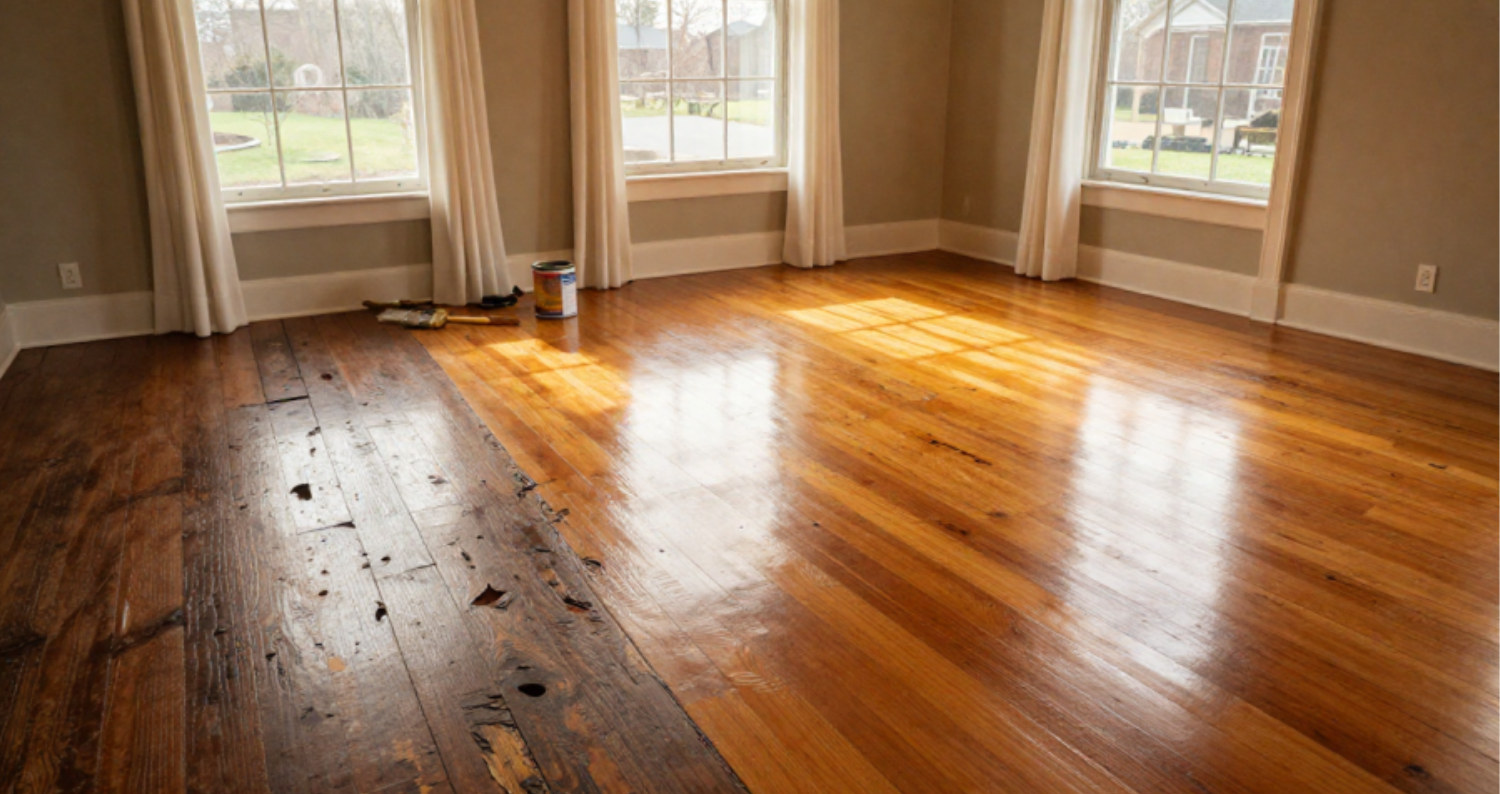
Hardwood flooring adds warmth, elegance, and value to any home. However, daily wear and tear, furniture movement, moisture exposure, pet scratches, and accidental impacts can leave your floors looking damaged over time. The good news is that many hardwood floor issues can be repaired without replacing the entire floor. Whether you’re dealing with scratches, dents, gaps, or water damage, understanding the right repair techniques can help restore your floor’s original beauty and extend its lifespan.
Common Types of Hardwood Floor Damage
Before starting repairs, it’s important to identify the type of damage:
- Surface scratches from pets and furniture
- Deep gouges and dents caused by heavy objects
- Water stains and moisture damage
- Gaps between floorboards
- Warped or buckled planks
- Fading and discoloration due to sunlight exposure
Different problems require different repair methods, so accurate assessment is the first step.
Repairing Minor Scratches and Scuffs
Light scratches are among the most common hardwood flooring issues. Fortunately, they are also the easiest to fix.
Solutions include:
- Using hardwood floor repair markers
- Applying wood stain that matches the floor color
- Buffing the affected area with a soft cloth
- Applying a protective finish to restore shine
Addressing minor scratches early prevents them from becoming more noticeable over time.
Fixing Dents and Deep Gouges
Heavy furniture, dropped tools, or accidental impacts can create dents and gouges.
Repair options include:
- Filling damaged areas with wood filler
- Sanding the repaired section until smooth
- Applying matching stain and finish
- Replacing individual boards if the damage is severe
Professional hardwood repairs often produce the most seamless results for deep damage.
How to Handle Water-Damaged Hardwood Floors
Water is one of the biggest threats to hardwood flooring. Signs of moisture damage include staining, cupping, swelling, and warping.
Steps to address water damage:
- Identify and eliminate the moisture source.
- Dry the affected area thoroughly.
- Evaluate whether sanding can restore the surface.
- Replace boards that are permanently warped or rotted.
Quick action can significantly reduce repair costs and prevent further structural damage.
Repairing Gaps Between Hardwood Planks
Seasonal humidity changes often cause hardwood planks to expand and contract, creating gaps.
Possible solutions:
- Maintaining proper indoor humidity levels
- Using wood fillers designed for flooring
- Re-securing loose boards
- Professional floor refinishing for widespread gaps
Proper climate control can help minimize future movement.
When Sanding and Refinishing Is the Best Solution
If your hardwood floor has widespread scratches, dullness, or surface damage, sanding and refinishing may be the most effective option.
Benefits include:
- Removing years of wear and tear
- Restoring the original wood appearance
- Improving durability
- Increasing property value
Refinishing can often make an older floor look almost new again.
Preventing Future Hardwood Floor Damage
Prevention is always more affordable than repairs.
Consider these maintenance tips:
- Use furniture pads under chairs and tables
- Place rugs in high-traffic areas
- Clean spills immediately
- Maintain consistent indoor humidity levels
- Schedule periodic professional inspections
Regular care helps preserve the beauty and longevity of hardwood flooring.
Conclusion
Damaged hardwood floors don’t always require costly replacement. From fixing minor scratches to addressing water damage and refinishing worn surfaces, many repair options can restore the floor’s appearance and functionality. Understanding the type of damage and choosing the appropriate repair method can save both time and money while keeping your hardwood floors looking beautiful for years to come.
continue reading